News & Publications
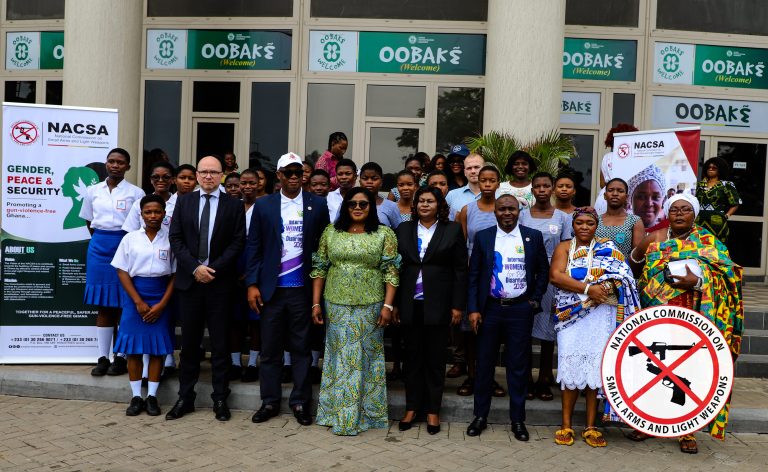
The National Commission on Small Arms and Light Weapons (NACSA) has successfully commemorated the International Womenβs Day for Peace and Disarmament for the first time in the history of the...
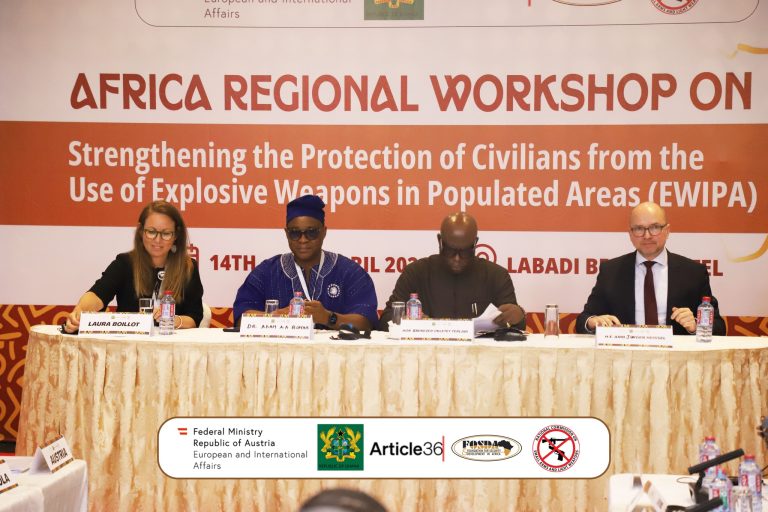
NACSA, in collaboration with key national and international partners, is hosting the Africa Regional Workshop on Strengthening the Protection of Civilians from the Use of Explosive Weapons in...
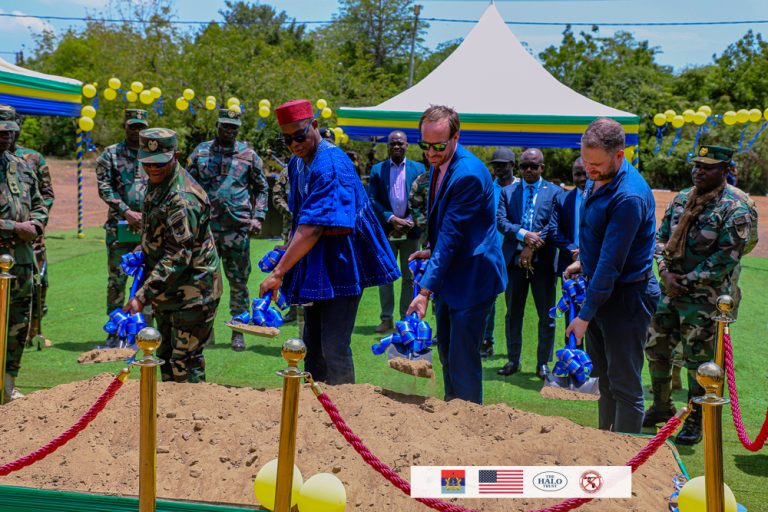
26th March 2026, Bundase Training Camp, Ghana – A significant step toward strengthening Ghanaβs national stockpile management was marked with the groundbreaking ceremony for the construction of...
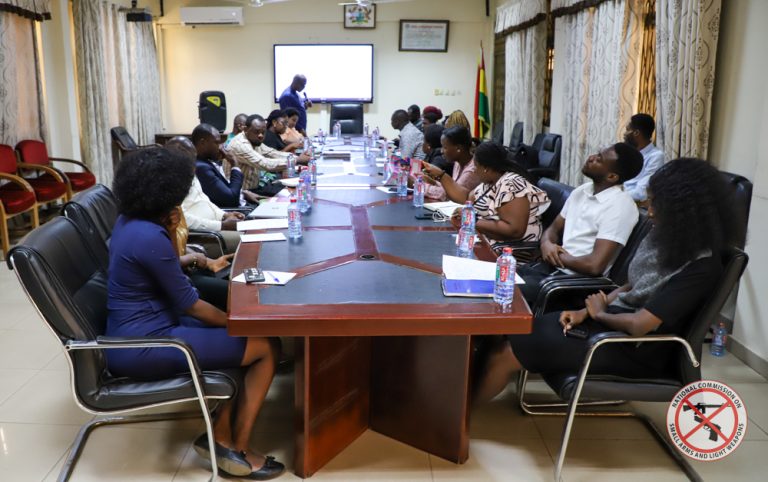
The National Commission on Small Arms and Light Weapons (NACSA) held a two-day orientation programme for newly recruited officers and National Service Personnel to familiarise them with the...
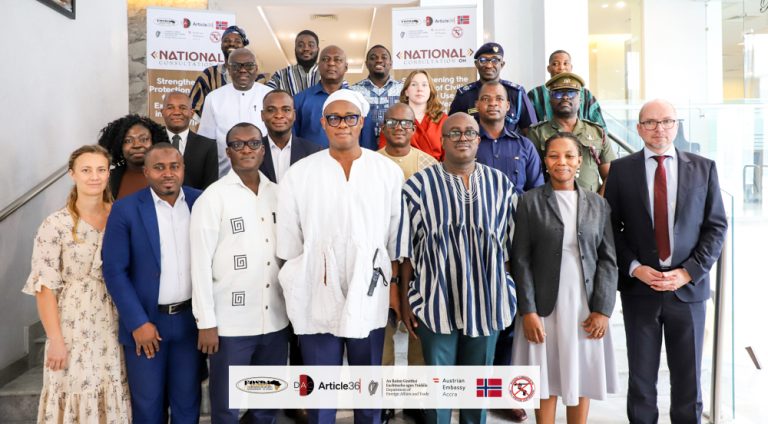
ACCRA, GHANA β 18 February 2026 β Ghana has convened its first National Consultation on Strengthening the Protection of Civilians from the Use of Explosive Weapons in Populated Areas (EWIPA) in Accra...
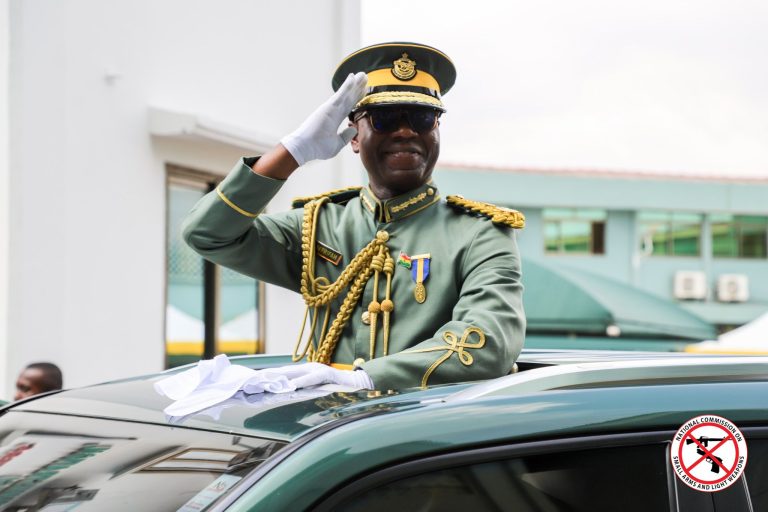
A colourful pull-out ceremony was held for Mr. Laud O. Affrifah, Esq, the Outgoing Deputy Comptroller-General of the Ghana Immigration Service (GIS) in charge of operations on Monday, 16th February...
The National Commission on Small Arms and Light Weapons, in collaboration with the Foundation for Security and Development in Africa (FOSDA), the United Nations, the International Committee of the Red...
From 29β30 January 2026, Ghana through the National Commission on Small Arms and Light Weapons participated in the ATT Womenβs Leadership Workshop at the Geneva Centre for Security Policy (GCSP)...
As part of its mandate to prevent the proliferation and misuse of illicit arms through public education and stakeholder engagement, the National Commission on Small Arms and Light Weapons paid a...
Head of State
Ministers
Executive Secretary
Social media
Small Arms Commission, Ghana2 hours ago
πππππ πππ πππππ ππππππ ππ
π
πππππ πππππππ πππππππππππ ππππππππ πππππ ππ
ππππππππ πππππππ πππππππππππ ππππππππ
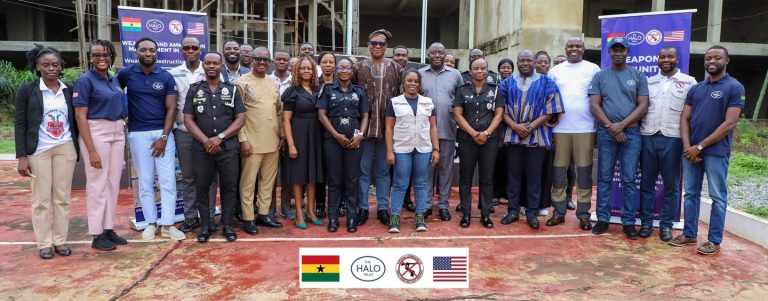
Ahead of the 8th National Weapons Destruction exercise scheduled for 9th July 2026, the National Commission on Small Arms and Light Weapons (NACSA), in collaboration with the Ghana Police Service and with technical support from The HALO Trust, has commenced a three-day specialised training programme at the FPU.
The training brings together 10 Officers each from the Ghana Police Service and NACSA to build the technical capacity required for the safe and environmentally sustainable destruction of over 2,000 obsolete, surrendered and seized firearms.
Delivering the opening remarks, Dr. Bonnaa, the Executive Secretary of the Commission, emphasised that the exercise is not just about cutting weapons; it is about removing instruments of violence from circulation and making communities safer.
As this is the first time Ghana is adopting this internationally recognised destruction method, he stressed the importance of equipping participants with the technical skills required to safely and effectively execute the exercise. He urged participants to engage fully throughout the training, emphasising that precision and strict compliance with established procedures are critical, as any errors could compromise both the integrity of the process and the broader objective of permanently removing illicit weapons from circulation to make communities safer.
Also speaking at the opening session, Mr. Gyebi Asante, Director of Policy, Planning, Research, Monitoring and Evaluation (PPRME) at NACSA noted that, unlike previous destruction exercises where weapons were burned, this exercise will adopt internationally accepted best practices by cutting the firearms before transporting the metal to a smelting company for recycling. He explained that the new approach promotes environmental sustainability while ensuring the permanent destruction of the weapons.
The HALO Trust is facilitating the training, providing participants with specialised expertise in Weapons Destruction to support Ghana's efforts to strengthen arms control, enhance public safety, and align with international best practices.
Ahead of the 8th National Weapons Destruction exercise scheduled for 9th July 2026, the National Commission on Small Arms and Light Weapons (NACSA), in collaboration with the Ghana Police Service and with technical support from The HALO Trust, has commenced a three-day specialised training programme at the FPU.
The training brings together 10 Officers each from the Ghana Police Service and NACSA to build the technical capacity required for the safe and environmentally sustainable destruction of over 2,000 obsolete, surrendered and seized firearms.
Delivering the opening remarks, Dr. Bonnaa, the Executive Secretary of the Commission, emphasised that the exercise is not just about cutting weapons; it is about removing instruments of violence from circulation and making communities safer.
As this is the first time Ghana is adopting this internationally recognised destruction method, he stressed the importance of equipping participants with the technical skills required to safely and effectively execute the exercise. He urged participants to engage fully throughout the training, emphasising that precision and strict compliance with established procedures are critical, as any errors could compromise both the integrity of the process and the broader objective of permanently removing illicit weapons from circulation to make communities safer.
Also speaking at the opening session, Mr. Gyebi Asante, Director of Policy, Planning, Research, Monitoring and Evaluation (PPRME) at NACSA noted that, unlike previous destruction exercises where weapons were burned, this exercise will adopt internationally accepted best practices by cutting the firearms before transporting the metal to a smelting company for recycling. He explained that the new approach promotes environmental sustainability while ensuring the permanent destruction of the weapons.
The HALO Trust is facilitating the training, providing participants with specialised expertise in Weapons Destruction to support Ghana's efforts to strengthen arms control, enhance public safety, and align with international best practices.