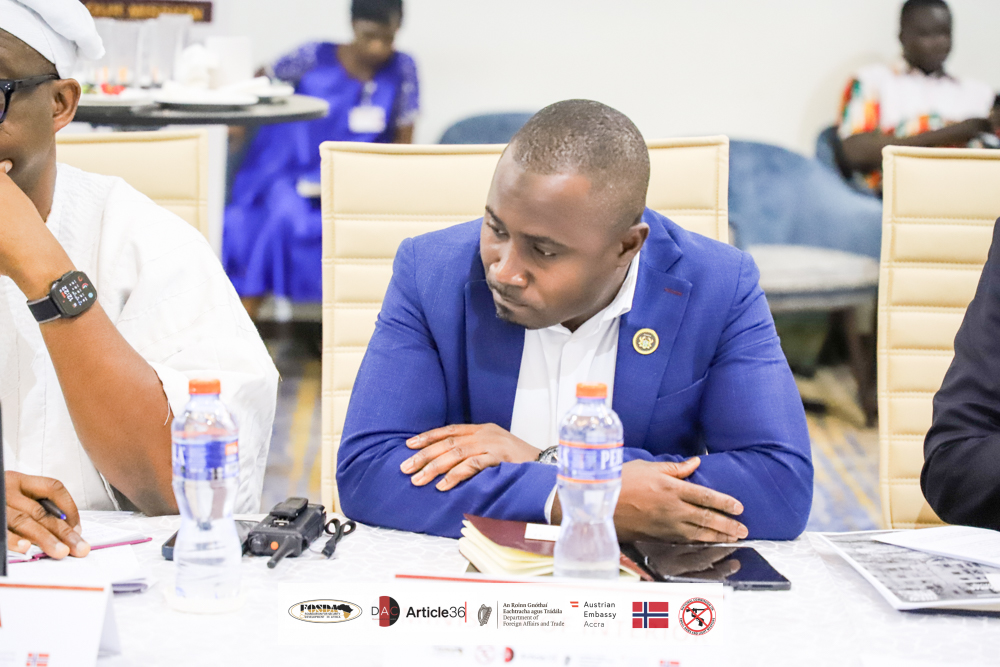

ACCRA, GHANA – 18 February 2026 – Ghana has convened its first National Consultation on Strengthening the Protection of Civilians from the Use of Explosive Weapons in Populated Areas (EWIPA) in Accra.
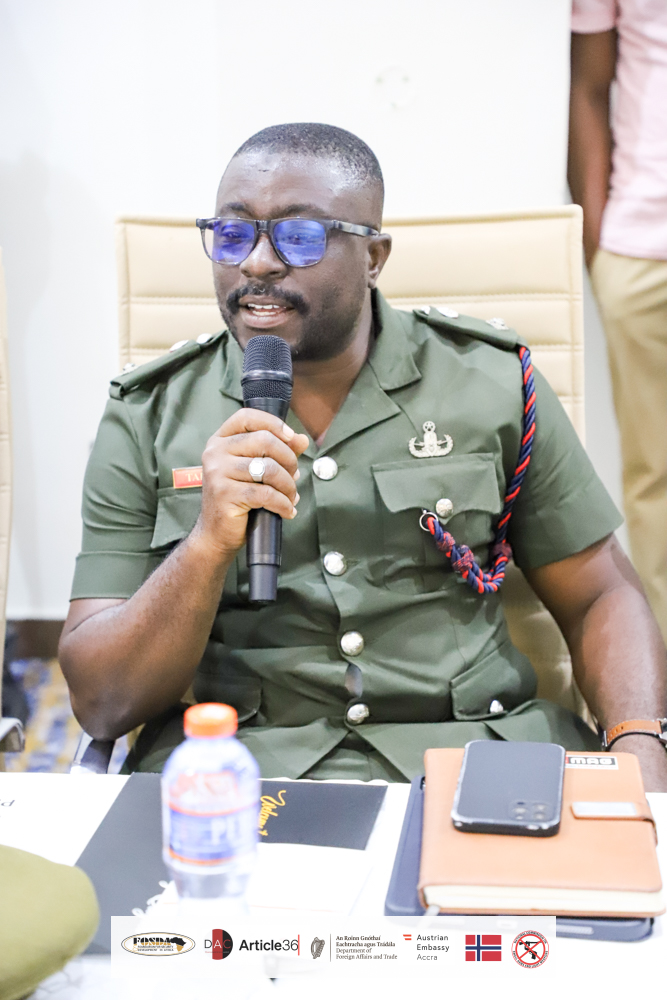
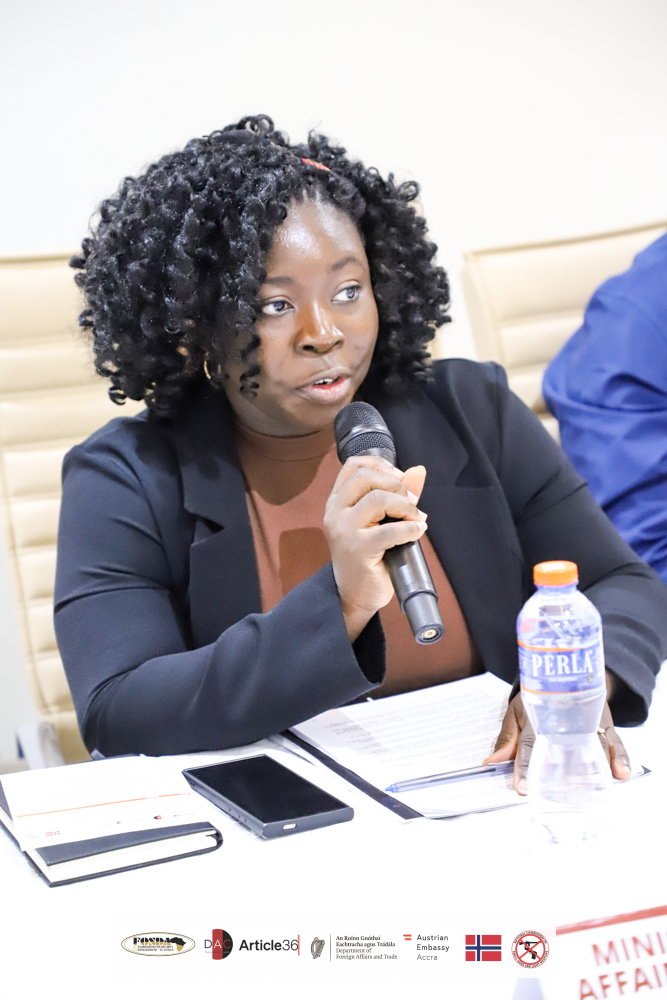
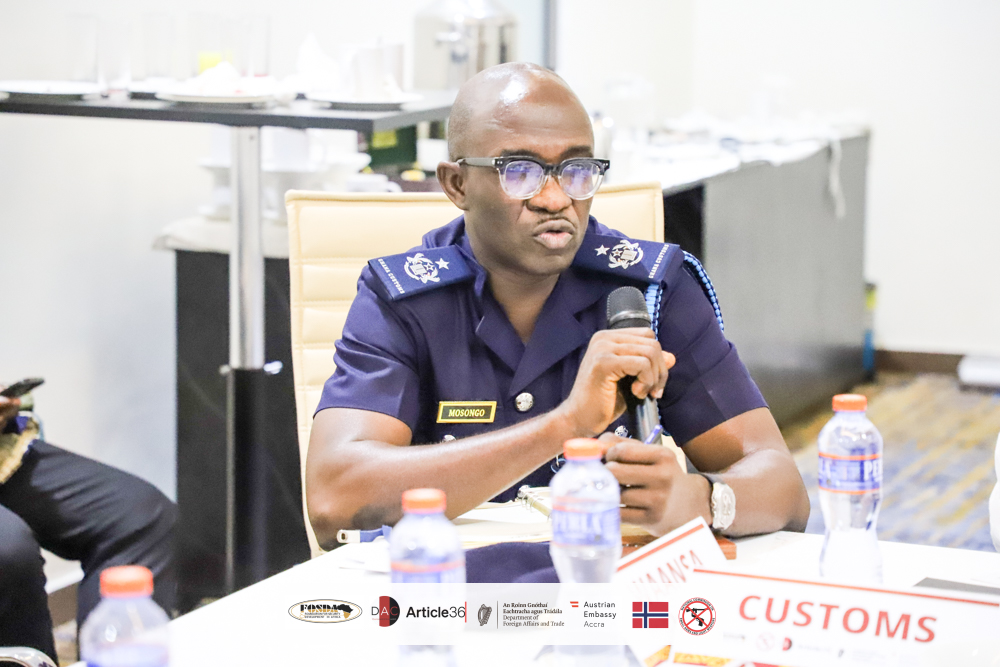
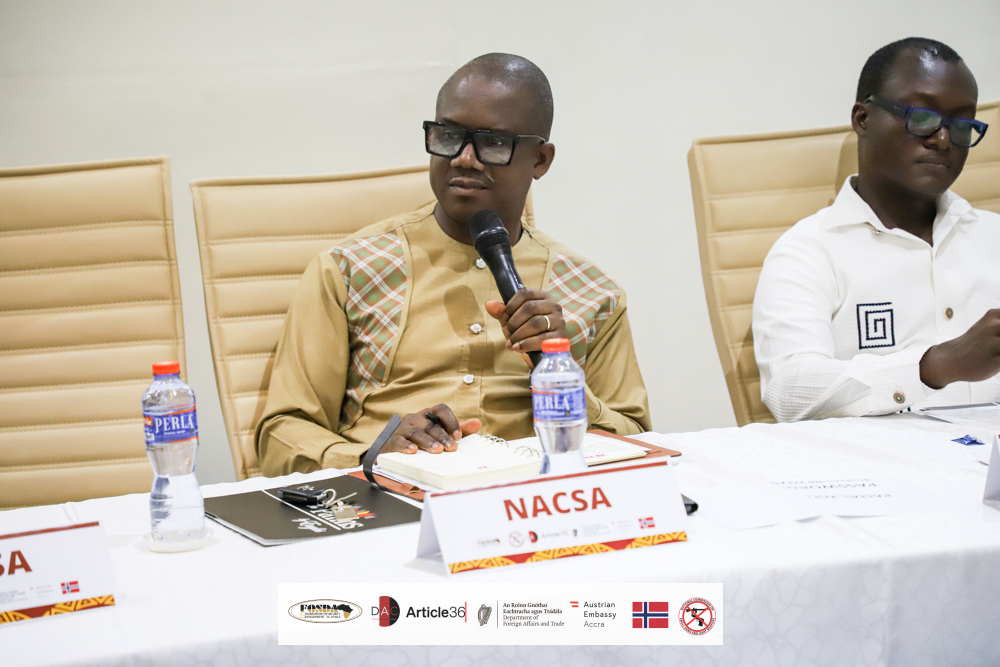
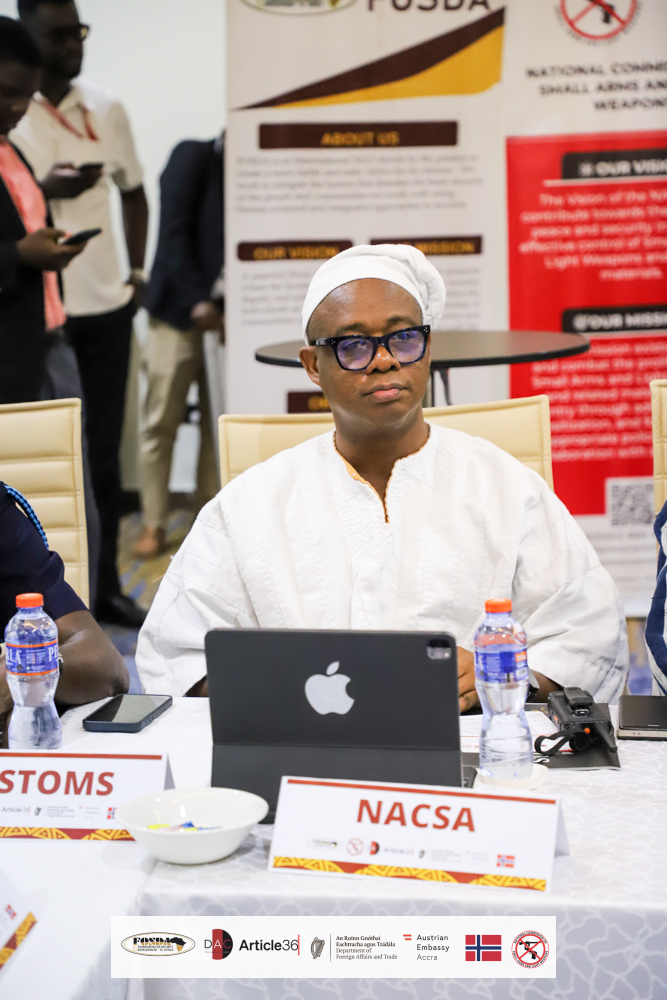
The half-day meeting, organised by the National Commission on Small Arms and Light Weapons (NACSA) in partnership with the Foundation for Security and Development in Africa (FOSDA), the United Nations and Article 36, brought together key stakeholders from Ministries, Government Agencies, security services, civil society, the diplomatic community and international partners.
At the centre of discussions was the Political Declaration on Strengthening the Protection of Civilians from the Use of Explosive Weapons in Populated Areas. Adopted in Dublin in November 2022, the Declaration is a global political commitment designed to address the devastating and predictable humanitarian consequences of bombing and shelling in towns and cities.
Although not legally binding, the Declaration commits endorsing states to take concrete steps to reduce civilian harm. These include restricting or refraining from the use of explosive weapons in populated areas where civilian harm is likely, improving data collection on civilian casualties, enhancing international cooperation as well as facilitating humanitarian access and support for victims.
Delivering a statement on behalf of the Minister for the Interior, Dr. Gideon Asamoah Tetteh, the Director of Finance and Administration, stated that “the humanitarian consequences of the use of explosive weapons in populated areas continue to intensify, with civilians bearing the brunt of hostilities involving high-impact explosives.” He further stressed that protecting civilians is both a moral imperative and a strategic necessity for Ghana.
Reflecting on Ghana’s own experience, he recalled the Apeatse explosion of January 2022 as a stark reminder that the impact of such events extends far beyond physical damage and tests national resilience.
NACSA calls for leadership and early endorsement
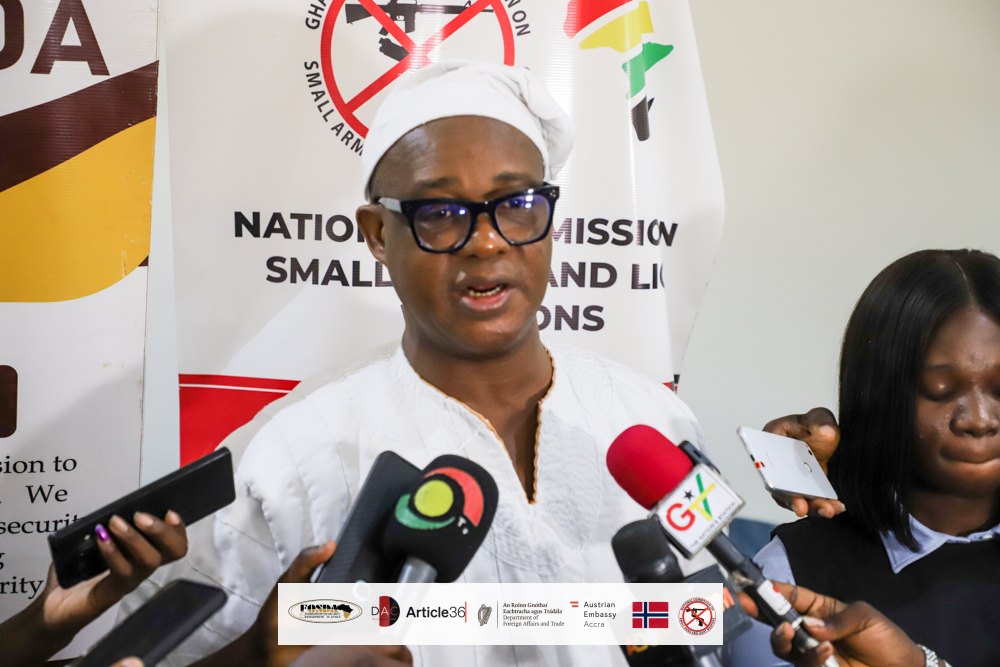
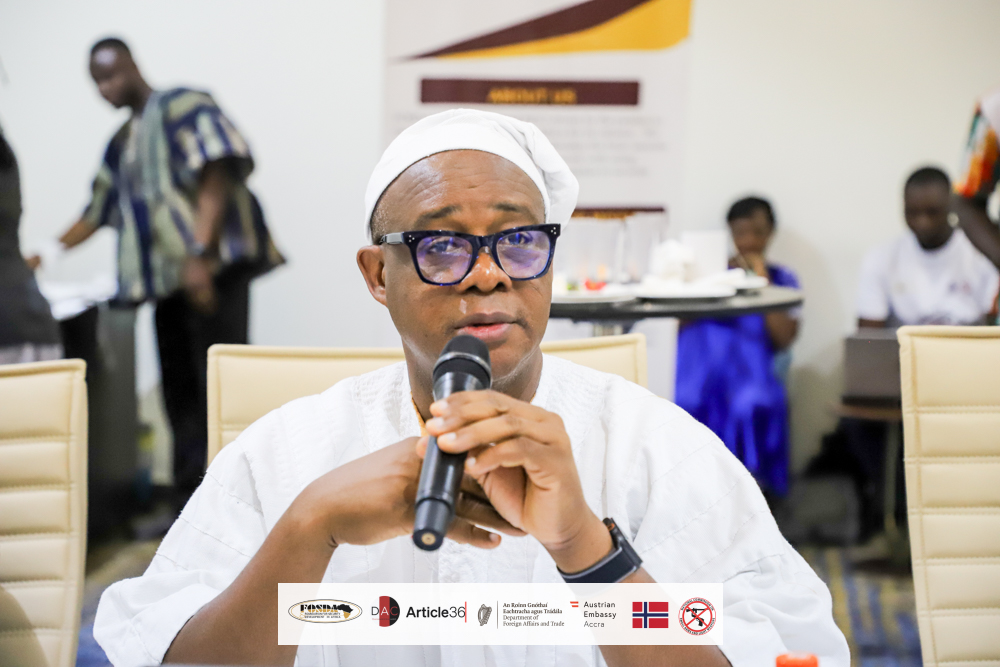
In his welcome address, the Executive Secretary of NACSA, Dr. Adam Bonaa, emphasized that the consultation was about the standards Ghana chooses to uphold in a rapidly changing security environment.
Dr. Bonaa stated that “when explosive weapons are used in towns and cities, civilians bear the heaviest burden. The Political Declaration recognizes that this pattern of harm demands deliberate restraint, better data, stronger victim assistance, and more consistent international cooperation.”
He described the consultation as a moment for reflection and informed decision-making, noting that endorsement would reaffirm Ghana’s long-standing commitment to humanitarian principles while strengthening its leadership role within Africa and the wider international community.
He also referenced Ghana’s Gun Amnesty Programme as an example of national leadership in promoting peace and security, urging stakeholders to consider how Ghana could further contribute to regional and global efforts to protect civilians.
International partners reaffirm support
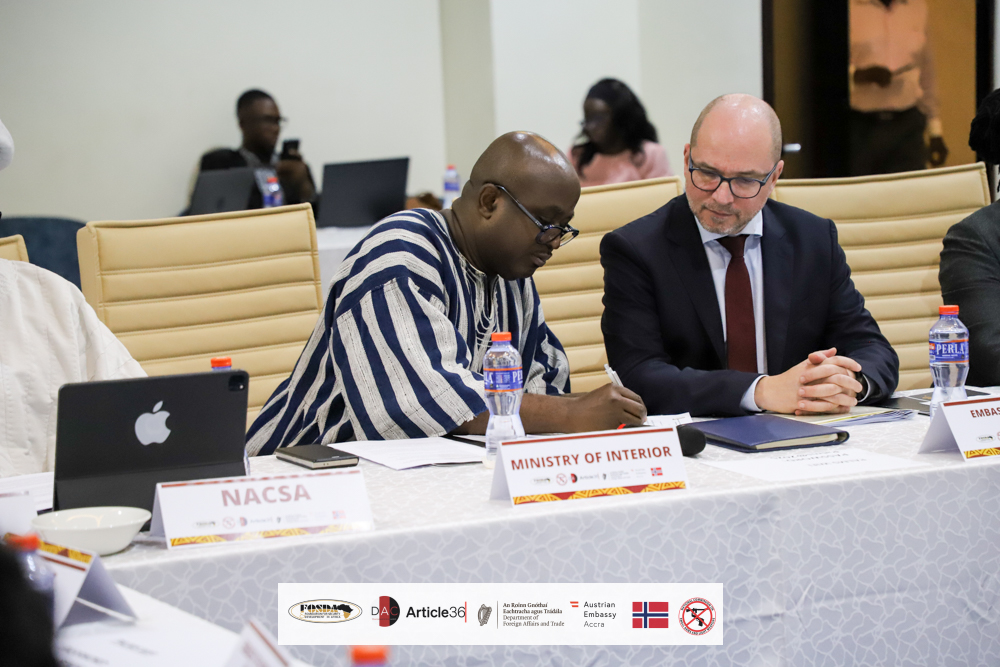
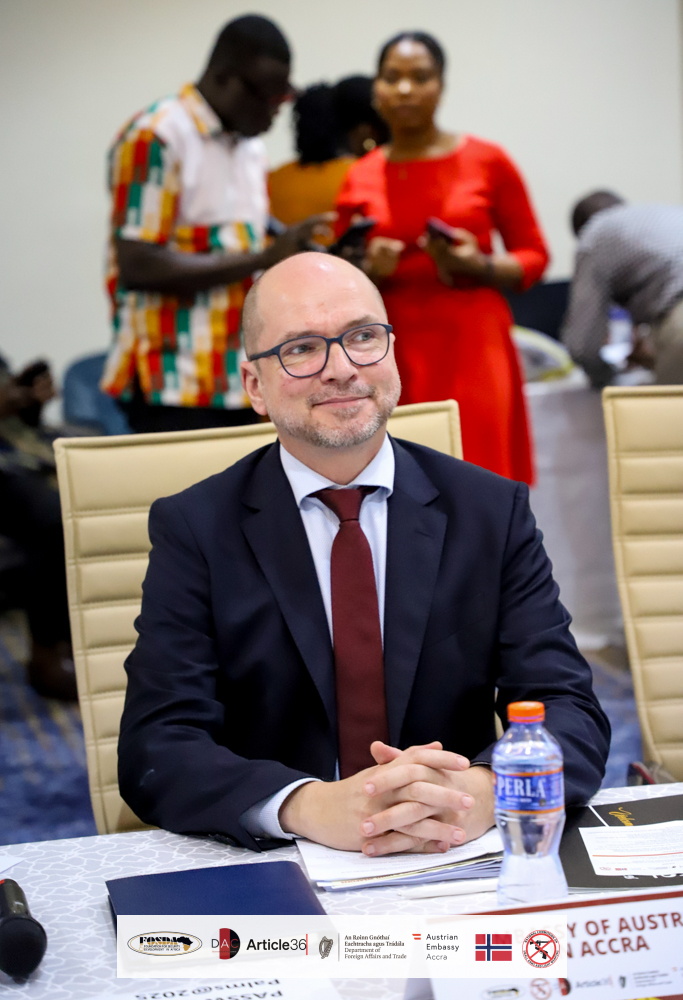
The Ambassador of Austria to Ghana, H.E. Jürgen Heissel, commended Ghana for convening the consultation and reaffirmed Austria’s commitment to working closely with Ghana to advance the protection of civilians.
He described Ghana as a champion of peace, disarmament, and humanitarian principles, noting its leadership in humanitarian disarmament initiatives. As a State Party to key international instruments—including the Anti-Personnel Mine Ban Convention, the Convention on Cluster Munitions, and the Treaty on the Prohibition of Nuclear Weapons—Ghana has consistently demonstrated its commitment to reducing the human cost of armed conflict. He indicated that Austria is proud to partner with Ghana on issues that are crucial to humanity and to strengthening civilian protection frameworks.
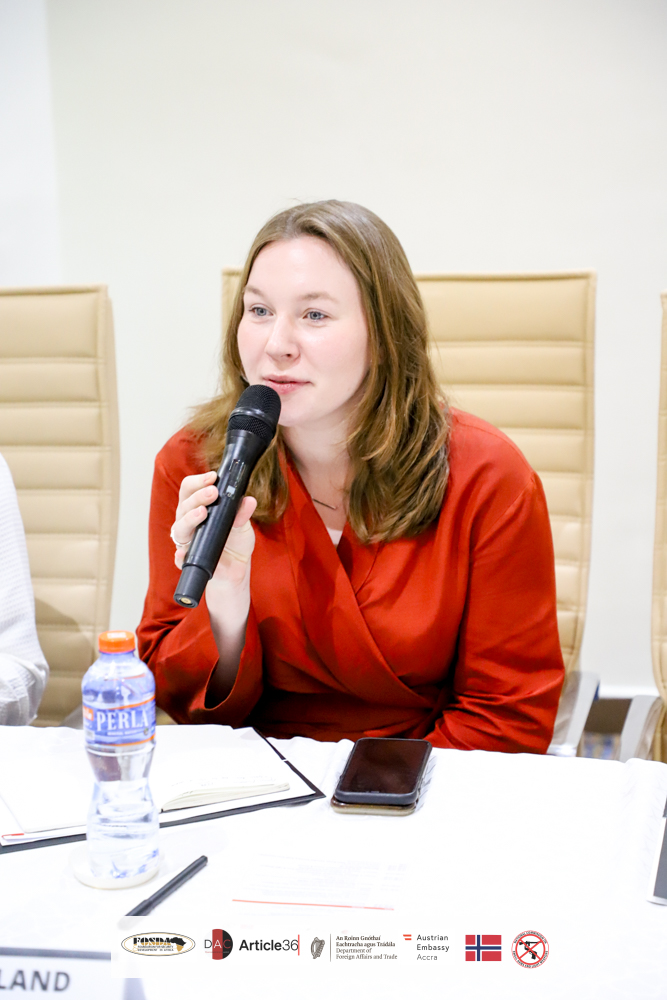
Representatives of the Embassies of Ireland and Norway also reiterated their governments’ support for the endorsement and effective implementation of the Declaration, particularly across the African region.
Deliberations and next steps
The consultation featured interactive sessions on the humanitarian impact of EWIPA, the background and commitments of the Political Declaration, Ghana’s perspectives on endorsement, and the procedural steps required should Ghana decide to endorse ahead of the upcoming Regional Workshop slated for April in Accra.
Participants underscored the importance of a whole-of-government and whole-of-society approach, recognizing that protecting civilians requires coordinated policies, strengthened regulation, enhanced training, and sustained cooperation between state institutions, civil society, and international partners.
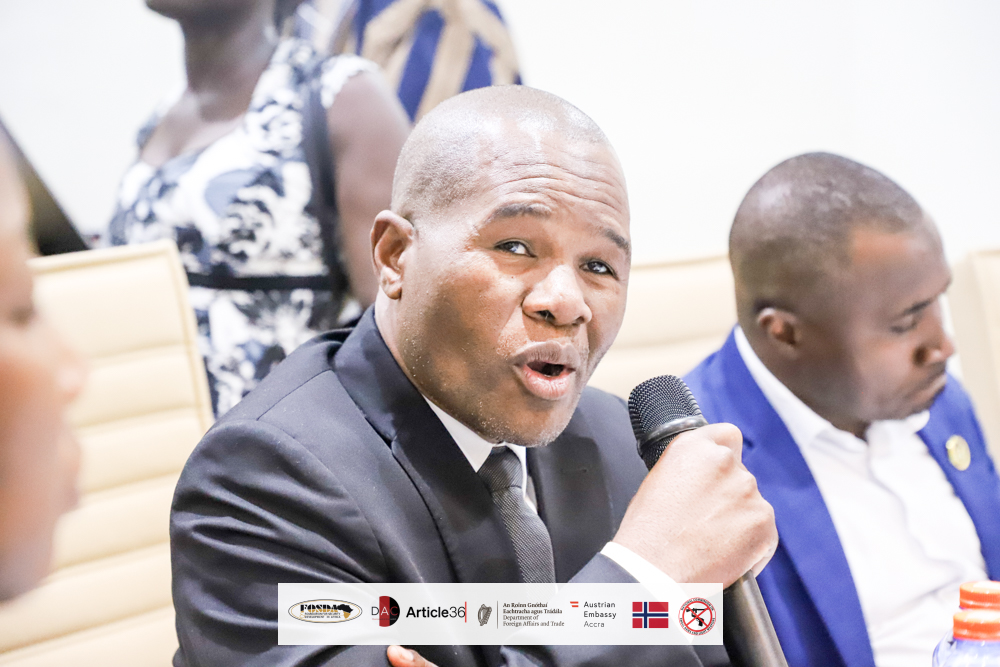
The meeting concluded with a shared understanding that civilian protection is not an abstract principle but a practical responsibility. As one participant noted, civilians are not collateral damage but rights holders—and Ghana has an opportunity to reinforce its regional leadership by taking clear and decisive steps to strengthen their protection.