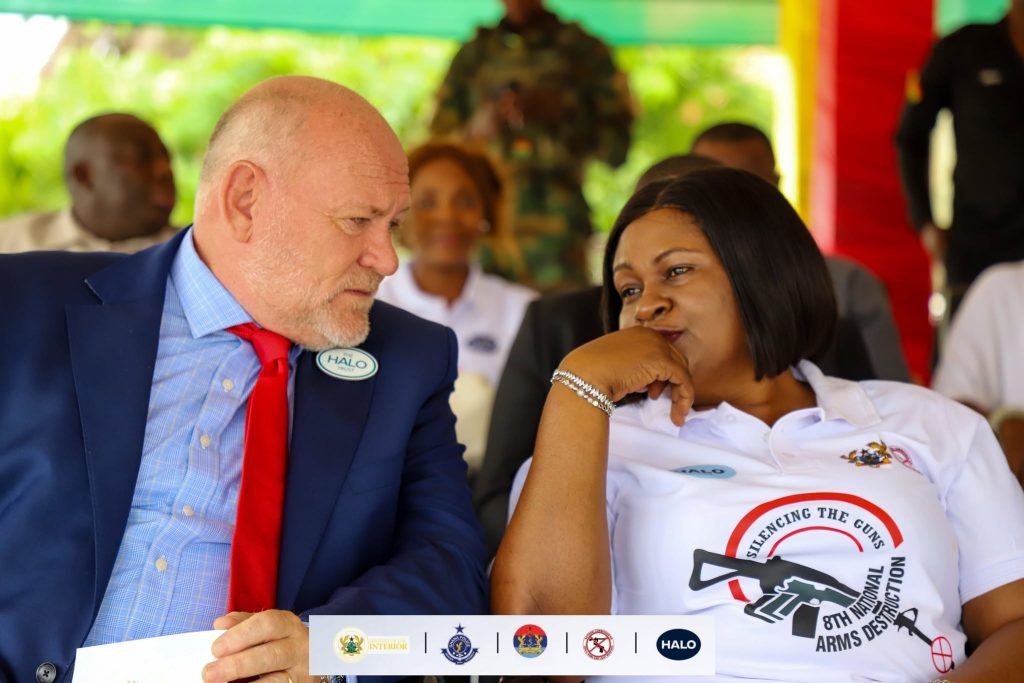

Ghana has marked a significant milestone in its national arms control efforts with the successful execution of the 8th National Weapons Destruction Exercise, demonstrating the country’s unwavering commitment to preventing the proliferation of illicit small arms and building safer communities.
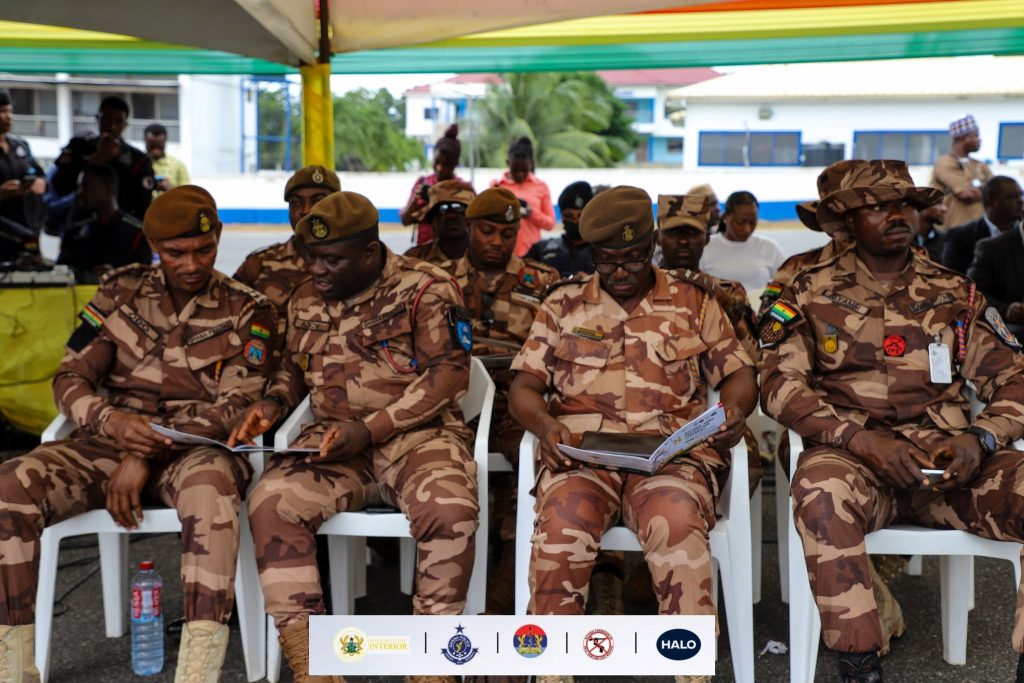
The ceremony brought together several high-profile dignitaries, including the Chief of Staff, Hon. Julius Debrah; the Minister for the Interior; the Minister for Defence; Brigadier General Maxwell Mantey; the Executive Secretary of the Ghana Refugee Board; senior officials of the security services; traditional and religious leaders, including the National Chief Imam; development partners; and members of the diplomatic corps.
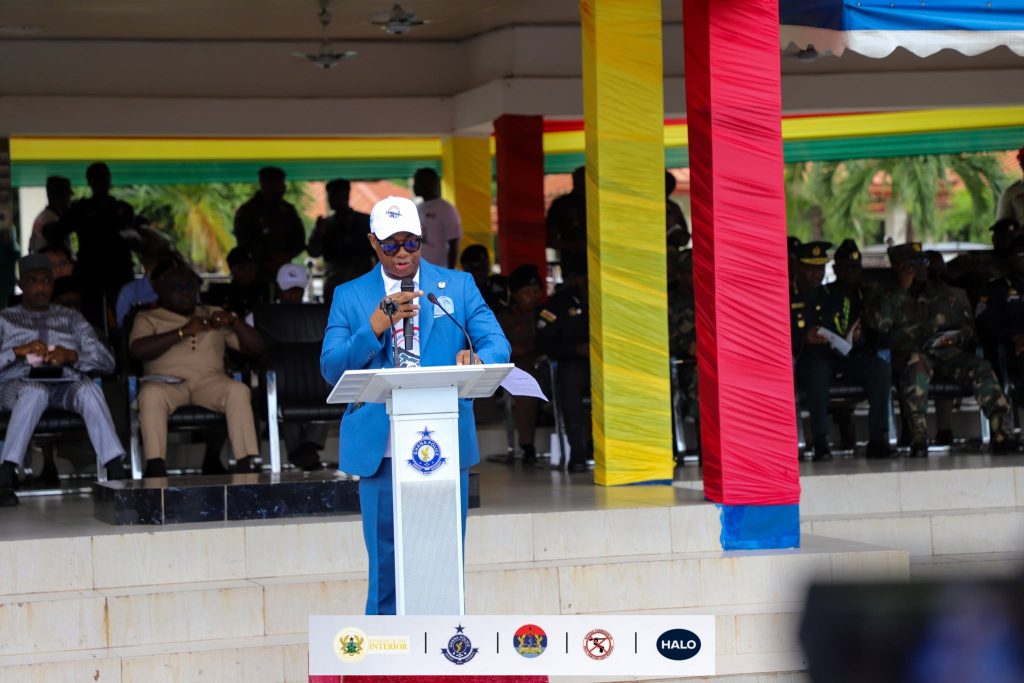
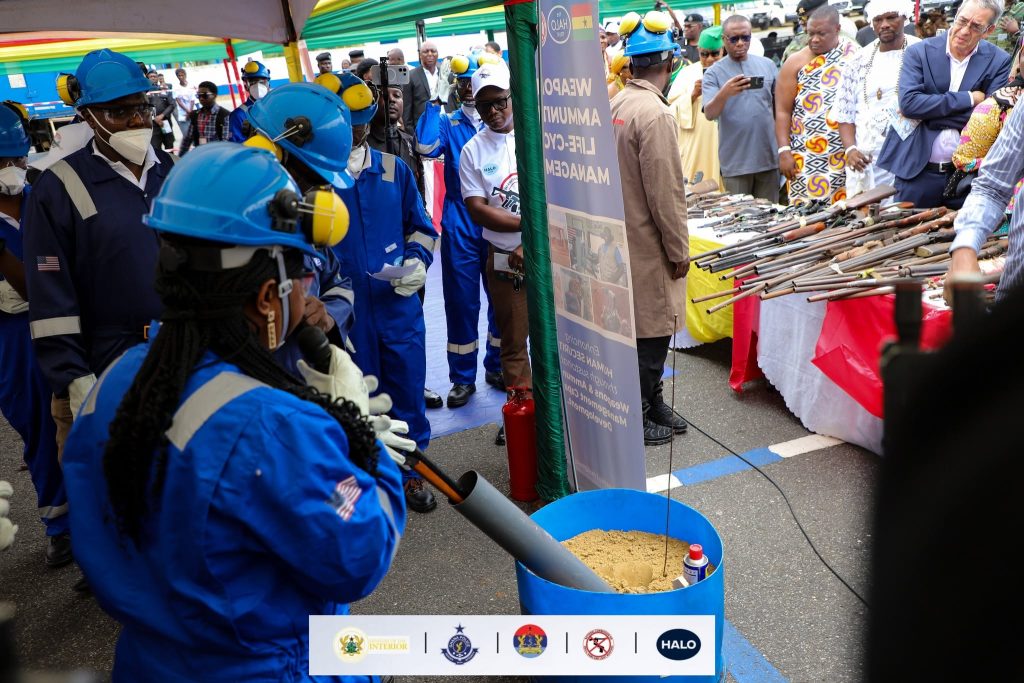
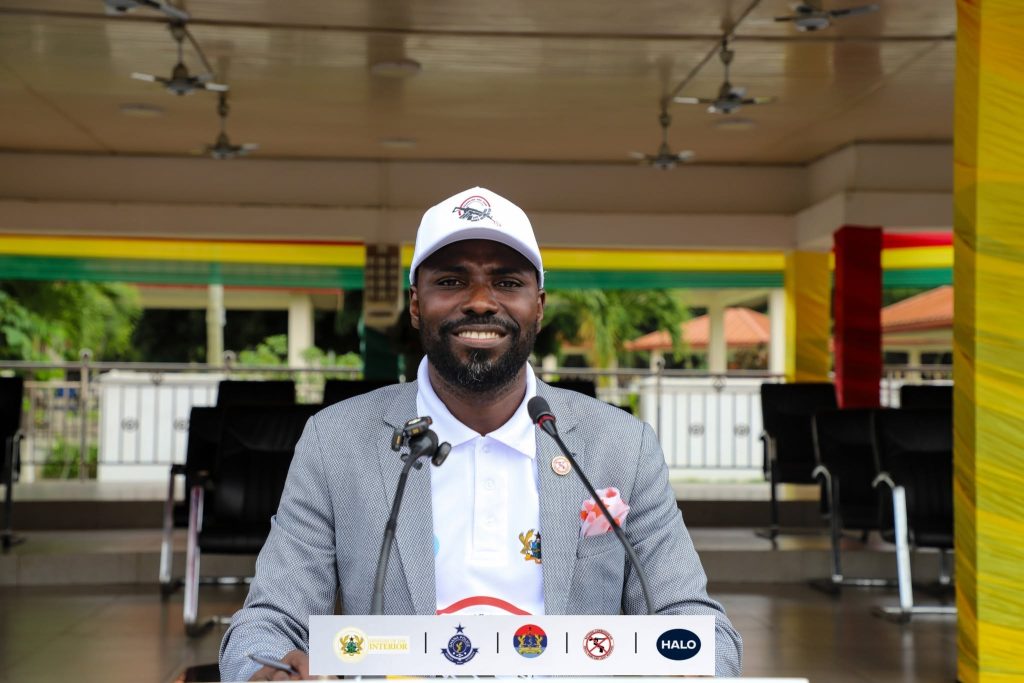
Addressing the gathering, Chief of Staff Hon. Julius Debrah underscored the significance of the exercise, stating, “Every weapon destroyed equals a threat removed.” He described the destruction exercise as a strong signal that illicit weapons have no place in Ghanaian communities, adding that “every gun destroyed is a victory for peace” and sends a clear message that these arms will never find their way back into society through diversion or misuse.
While reaffirming Government’s commitment to strengthening national security, he stressed that eliminating the threat posed by illicit firearms requires a collective national effort. He therefore called on all Ghanaians to reject the culture of silence and continue supporting the security services in preventing the proliferation of illegal weapons.
In his opening remarks, Executive Secretary of the National Commission on Small Arms and Light Weapons (NACSA), Dr. Adam Bonaa, reaffirmed the Commission’s commitment to leading Ghana’s response to the proliferation of illicit small arms through a comprehensive and preventive approach. He noted that as the institution mandated to coordinate Ghana’s efforts to prevent, combat and eradicate illicit small arms and light weapons, NACSA continues to combine public education, stakeholder engagement, research, policy development, border security coordination and international cooperation to address the threat. He emphasised that the National Weapons Destruction Exercise is “not an end in itself, but one important step within a broader national strategy to reduce gun violence and strengthen public safety.”
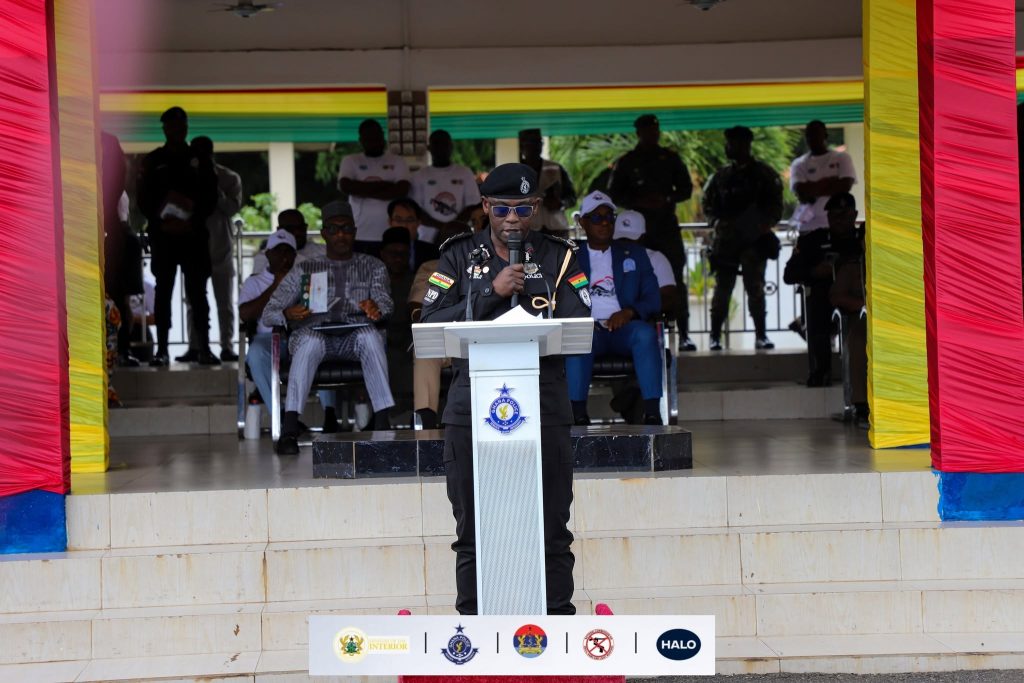
Representing the Inspector-General of Police, COP Mohammed Fusaini Suraji, Director-General of the National Arms and Ammunition Programme Directorate (NAPD), announced that Ghana has recorded a notable decline in gun-related incidents since the implementation of the National Gun Amnesty Programme. He commended all citizens who voluntarily surrendered unregistered firearms, describing them as “the true architects of this ceremony,” whose patriotism has contributed directly to improving public safety.
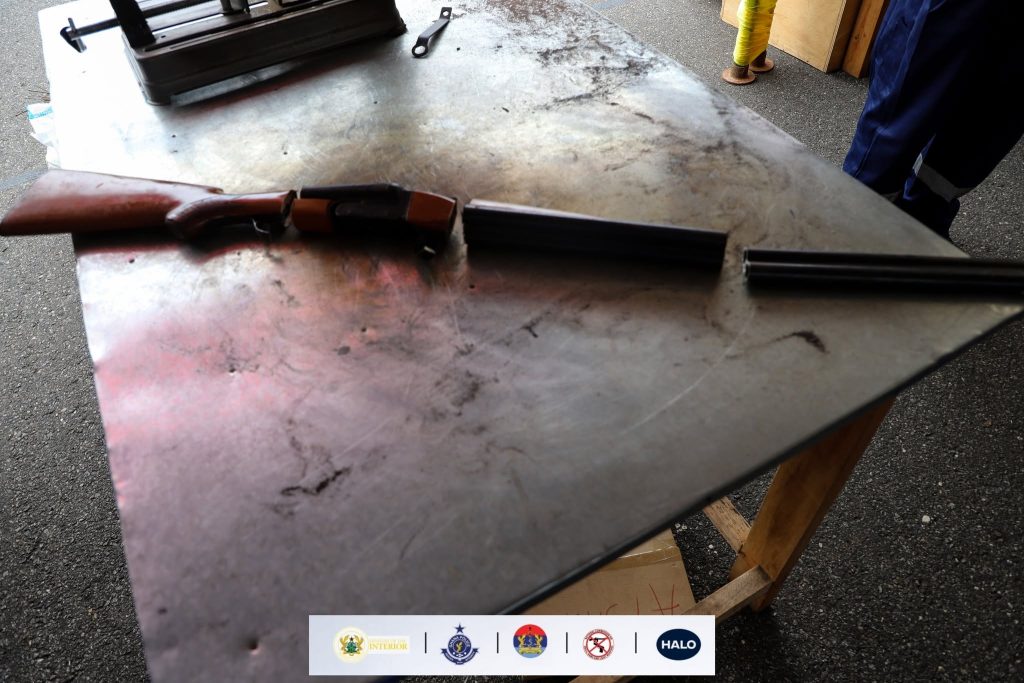
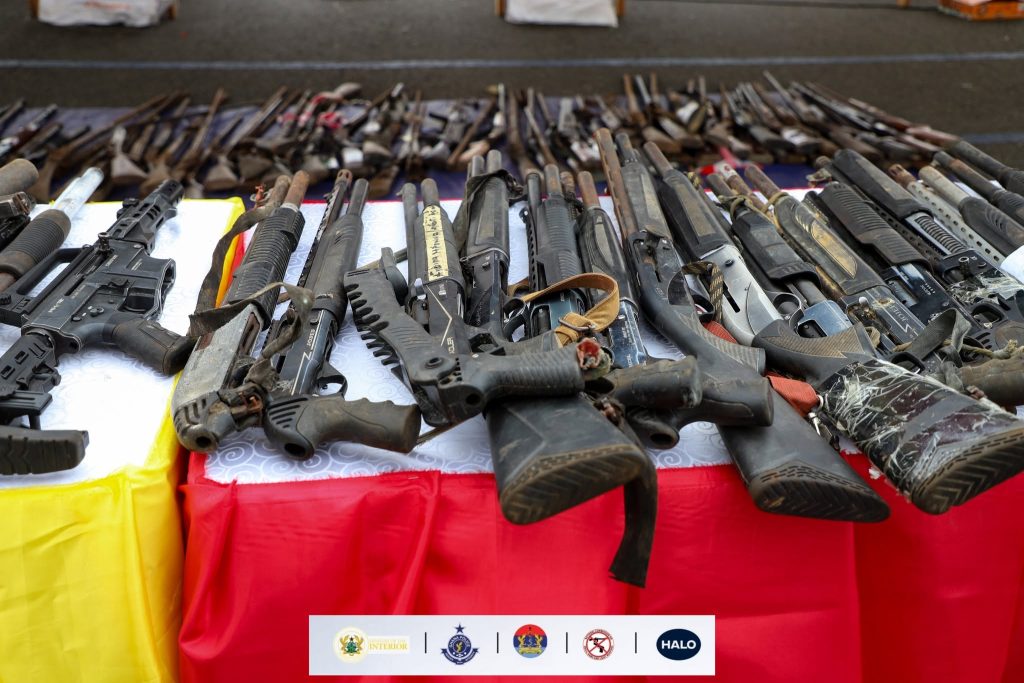
The weapons destroyed during the exercise included firearms surrendered through the National Gun Amnesty Programme, alongside weapons confiscated by the security services and obsolete state-owned firearms. Prior to destruction, each weapon underwent a rigorous verification process to ensure it was free from ammunition, gunpowder and other hazardous materials before being safely cut and prepared for recycling.
The exercise also marked a major advancement in Ghana’s weapons management practices. For the first time, the National Commission on Small Arms and Light Weapons adopted an internationally recognised destruction methodology that permanently disables firearms before they are recycled. The approach aligns Ghana with global best practices in weapons and ammunition lifecycle management while promoting environmentally responsible disposal through recycling.
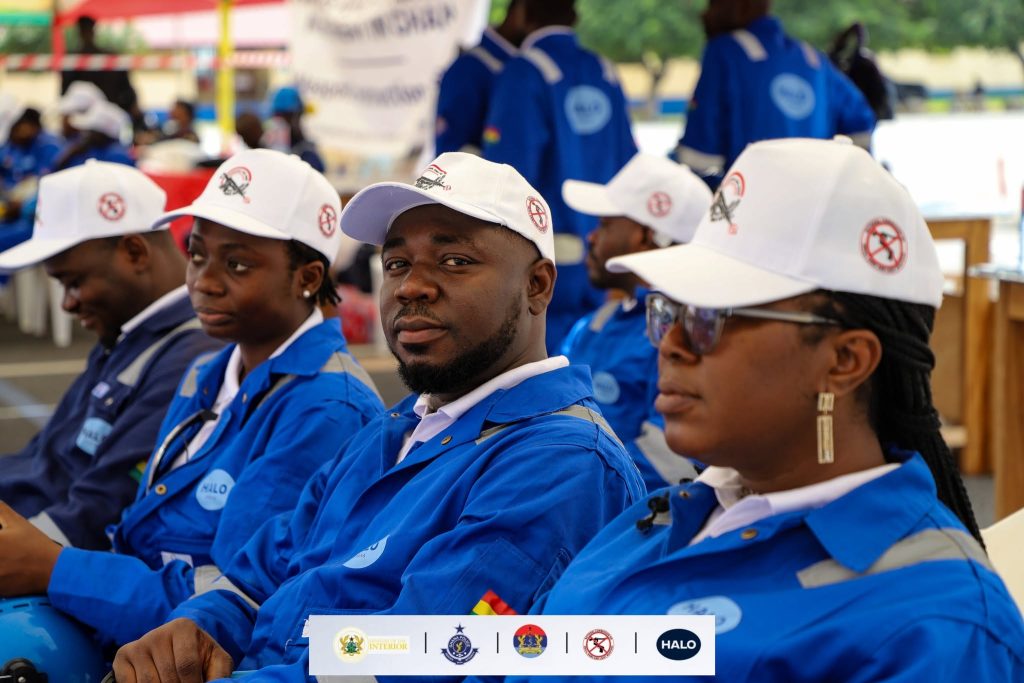
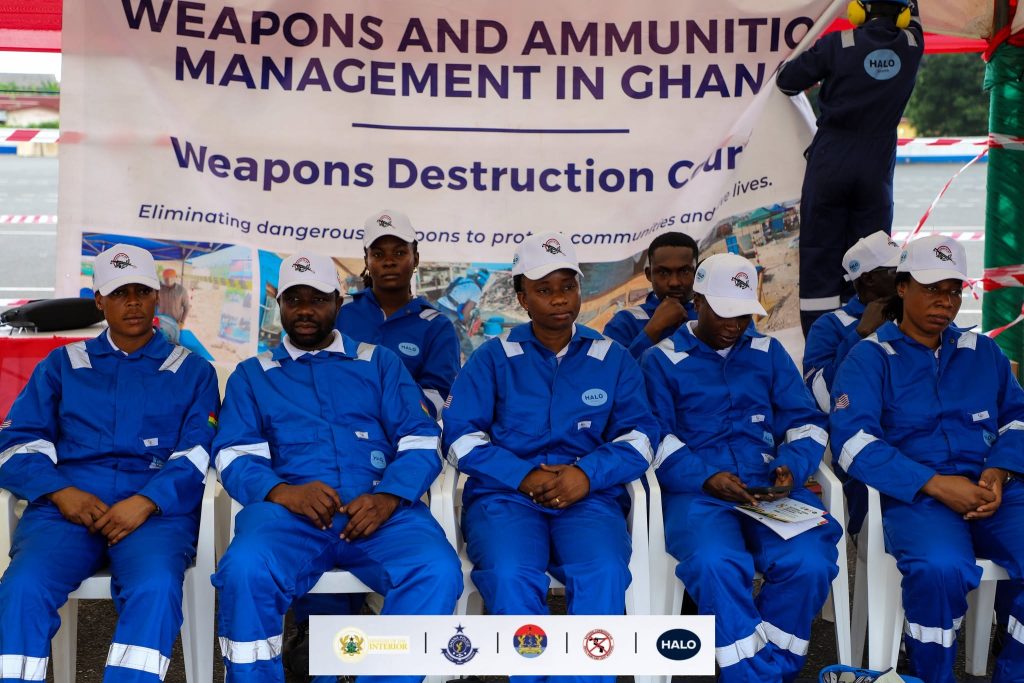
Ahead of the exercise, officers from NACSA and the Ghana Police Service underwent an intensive technical training programme facilitated by The HALO Trust. Speaking during the training, Dr. Bonaa described the expertise acquired as an investment in Ghana’s future. He encouraged participants to transfer the knowledge gained to future generations and to take pride in becoming trained weapons destroyers committed to making communities safer.
Pete Smith, Head of WAM Africa at The HALO Trust, reinforced the broader impact of the exercise, reminding participants that, “Every time you cut a weapon, you are saving lives.” He noted that effective weapons destruction not only strengthens peace and security in Ghana but also contributes to stability across the African continent.
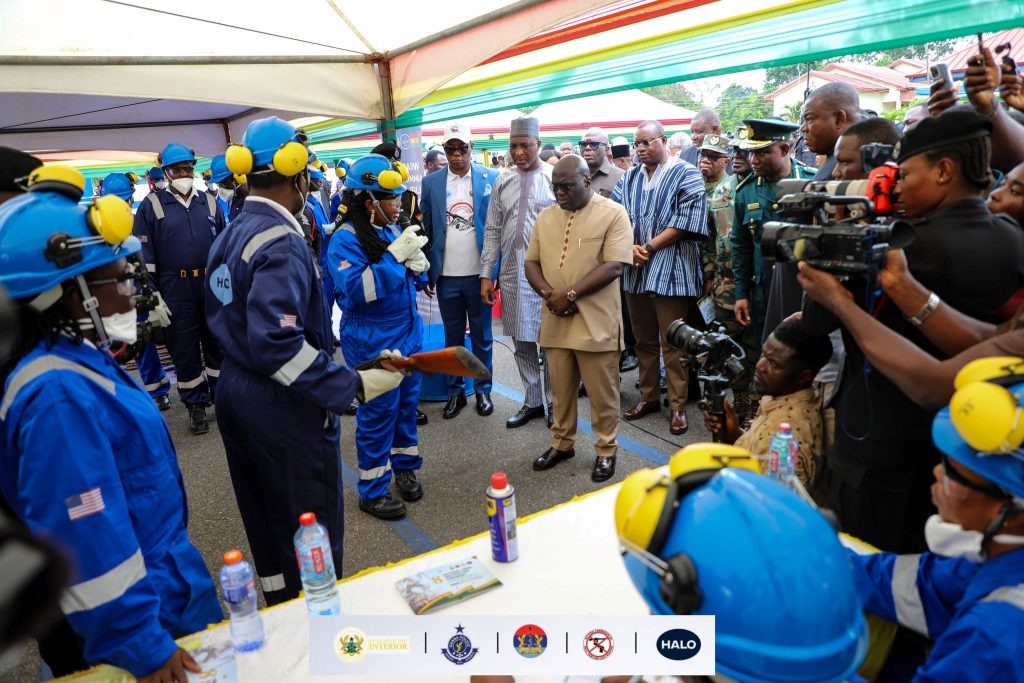
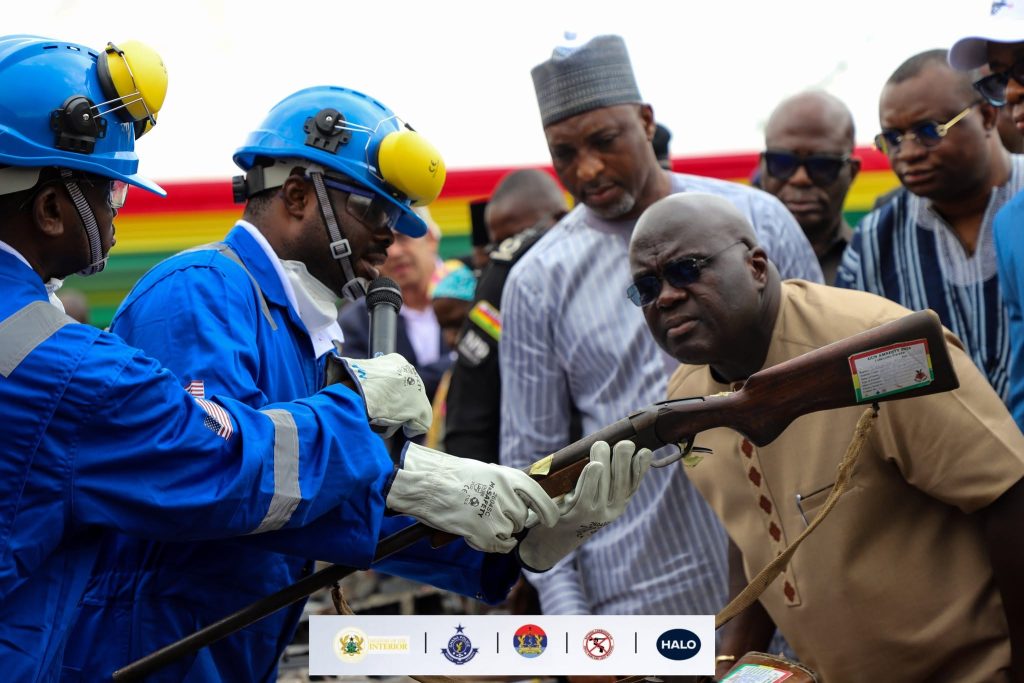
A defining moment of the ceremony was the symbolic cutting of firearms, led by the Chief of Staff, Hon. Julius Debrah, alongside the Minister for the Interior, the Minister for Defence, senior officials from the Office of the President, heads of the security services, development partners and other distinguished guests.
Following the symbolic launch, the Weapons Destruction Team took the audience through the complete destruction process—from weapon reception, safety inspections and registration, to cutting, destruction and final packaging for recycling. The demonstration underscored Ghana’s commitment to transparency, accountability and internationally recognised best practices in weapons and ammunition lifecycle management, ensuring that the destroyed firearms can never return to circulation
The 8th National Weapons Destruction Exercise represents another important milestone in Ghana’s efforts to permanently remove dangerous weapons from circulation, reduce the risk of diversion and misuse, and build a safer, more peaceful future for all.