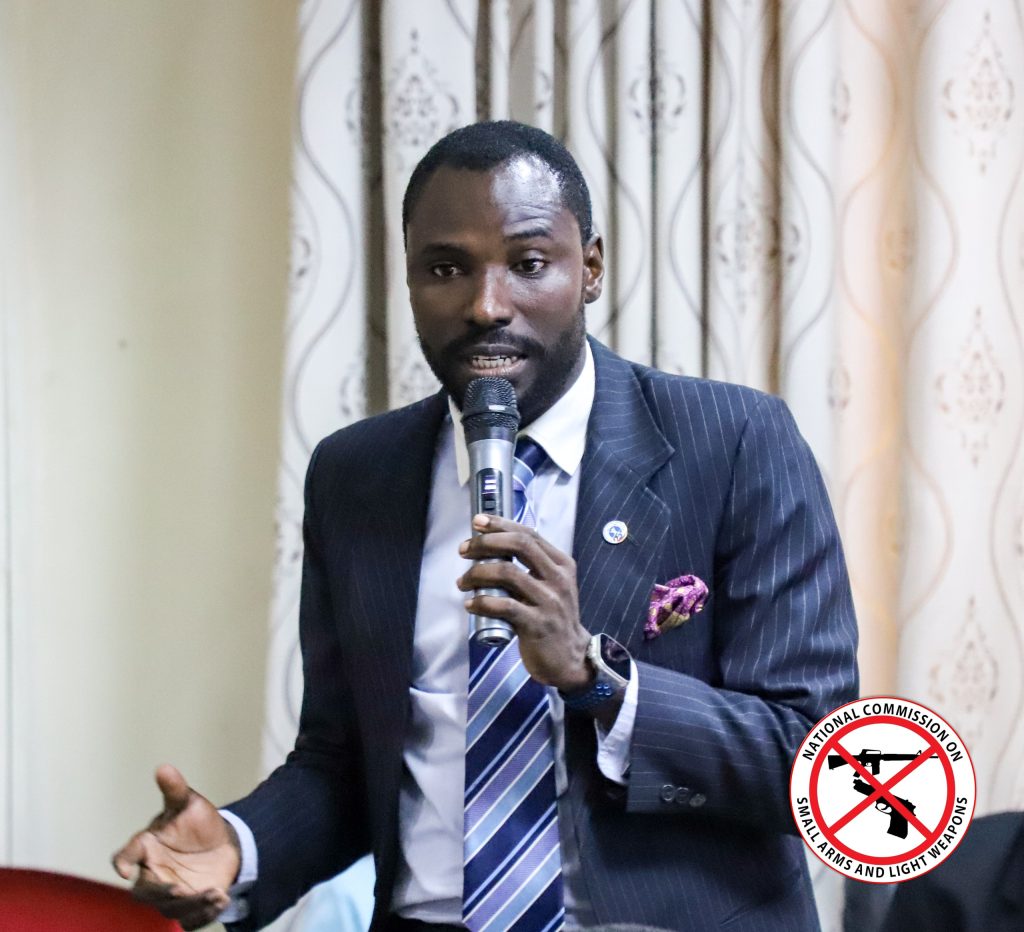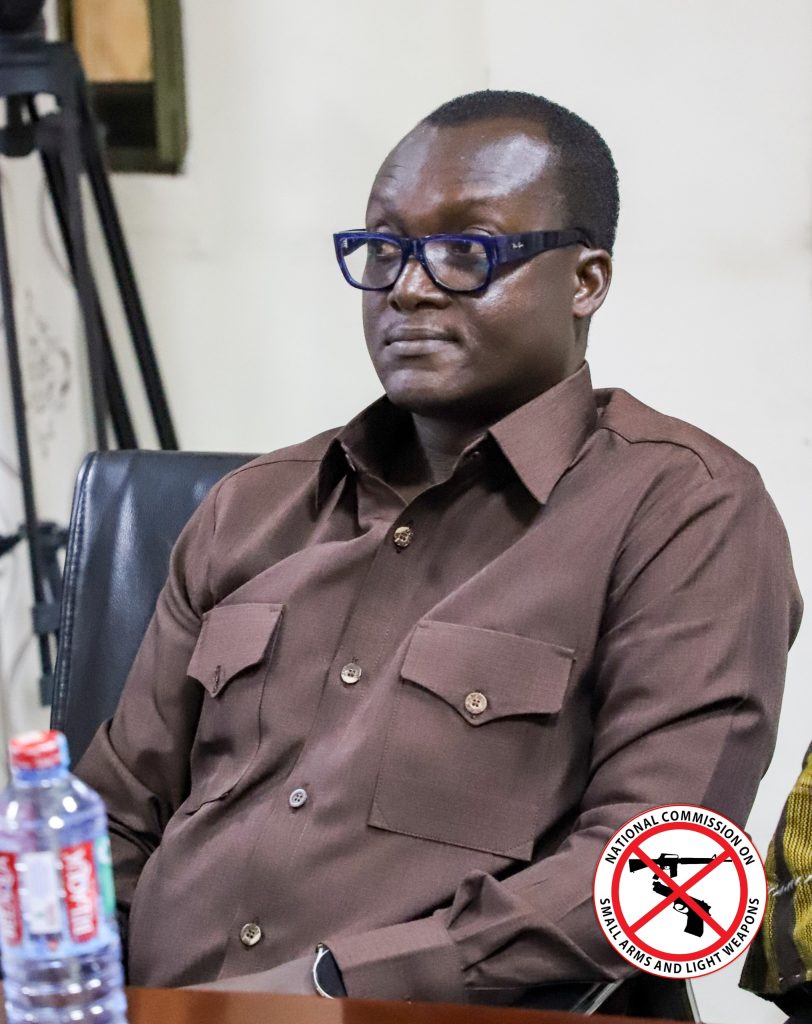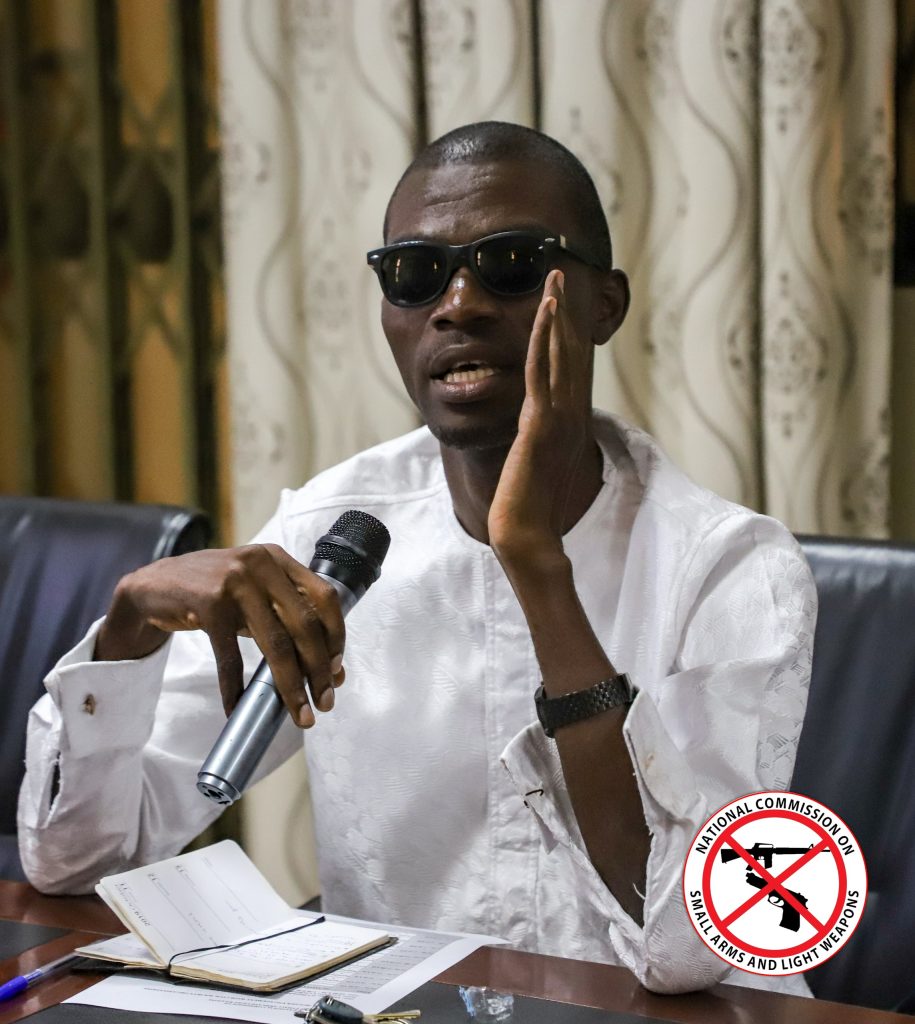
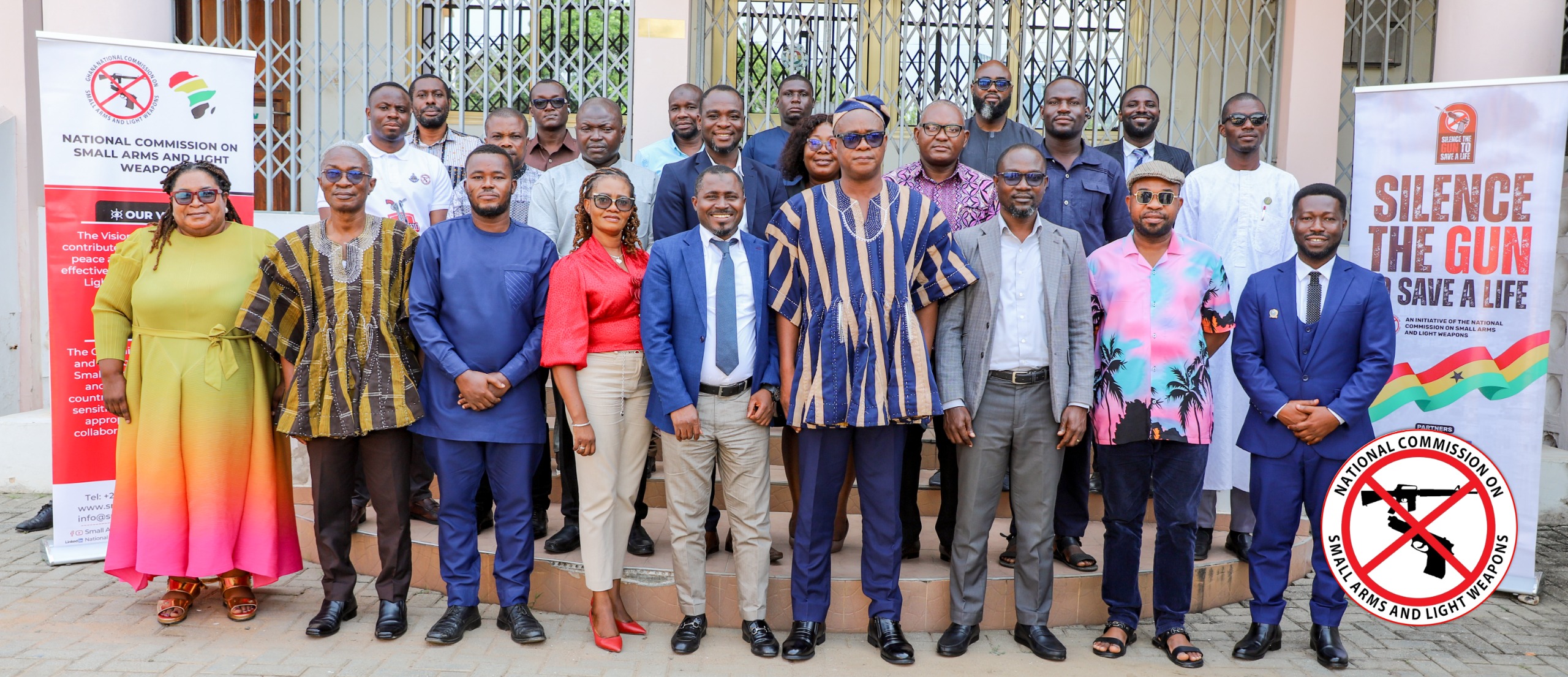
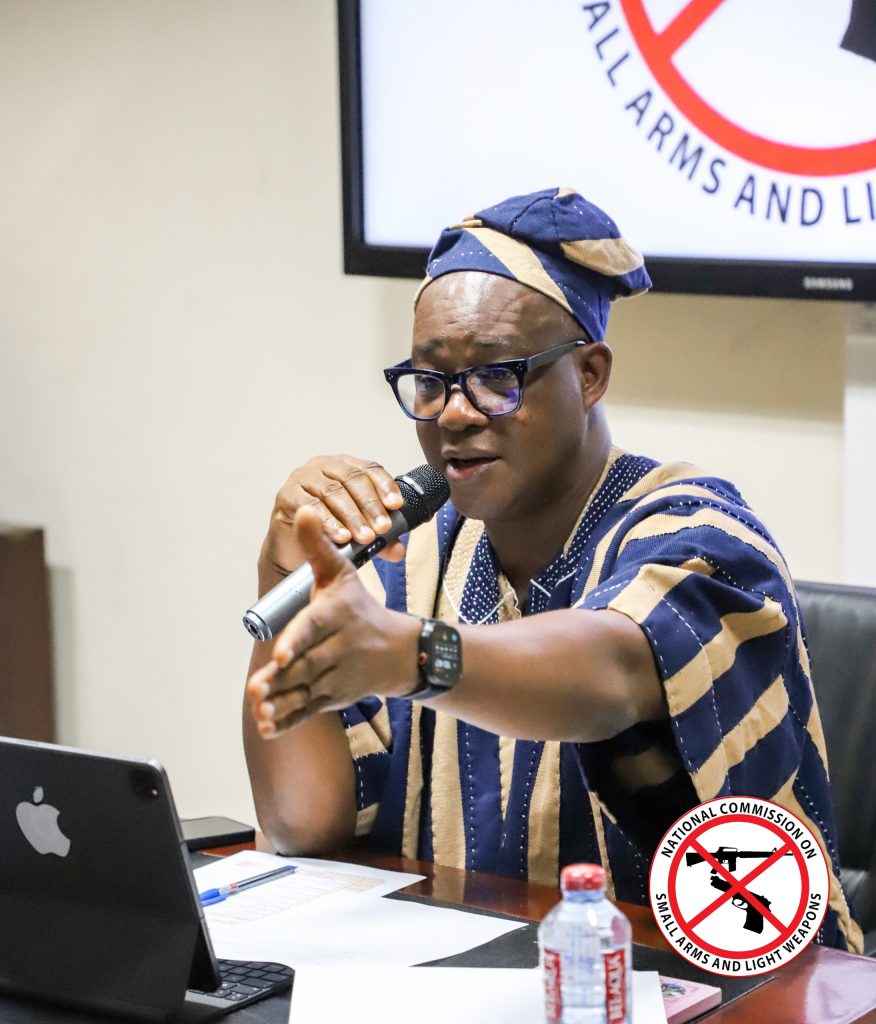
The National Commission on Small Arms and Light Weapons (NACSA) on Thursday, 11th December 2025, convened a strategic meeting with Civil Society Organisations (CSOs) at its headquarters in Accra to strengthen cooperation on the ongoing Gun Amnesty Programme (GAP) and other national interventions aimed at curbing the proliferation of illicit firearms. The engagement brought together key actors committed to advancing peace, security, and community protection across the country.
Opening the session, the Executive Secretary of NACSA, Dr. Adam Bonaa, underscored the critical importance of civil society partnership in confronting the escalating threat of illicit firearms. He noted that nine out of ten violent incidents recorded in recent years involved the use of firearms—an alarming indicator of the urgency needed to address gun-related violence. Many of these weapons, he emphasized, are held by civilians for perceived self-protection, yet frequently contribute to crime, communal tensions, and preventable loss of life.
Dr. Bonaa described the stakeholder meeting as “central not only to the success of the Gun Amnesty Programme, but also to broader efforts aimed at tackling the menace of illicit firearms.” He outlined the key components and guiding principles of the amnesty as voluntary surrender, transparency, safety, confidentiality, and non-punitiveness.
He explained that the programme guarantees safe and confidential surrender of unregistered or illicit firearms and ammunition, and is supported by temporary measures including a ban on the use of firearms during traditional celebrations, restrictions on importation and sale of weapons, and a suspension of firearm registration and new permits.
To reinforce national compliance after the amnesty period, Dr. Bonaa highlighted a suite of complementary enforcement measures: Joint Special Operations, targeted swoops, a reward system for whistleblowers, and the swift arrest and prosecution of offenders. These actions, he noted, are aimed at preventing the reaccumulation of illicit arms as well as sustaining the progress achieved through the Gun Amnesty.
In addressing the CSOs, the Executive Secretary highlighted their indispensable role as trusted community voices capable of countering misinformation, addressing cultural concerns, and enhancing public confidence. He outlined priority areas for civil society involvement, including community sensitization, peace outreach, facilitating dialogue in vulnerable communities, and identifying local influencers and hotspots to deepen the programme’s reach. He also urged CSOs to reinforce key public messages on the Gun Amnesty—chief among them being that individuals who surrender weapons during the amnesty period will not face prosecution, and that safety and confidentiality are fully assured.
The Deputy Executive Secretary, Mr. Mohammed Gali Salam also noted that the misuse of unregistered or illicit firearms—whether in criminal activity, interpersonal disputes, or communal violence—continues to pose serious threats to public safety and national stability. With many weapons circulating outside lawful control, he stressed that decisive, inclusive, and community-centered approaches are required to reverse the trend.
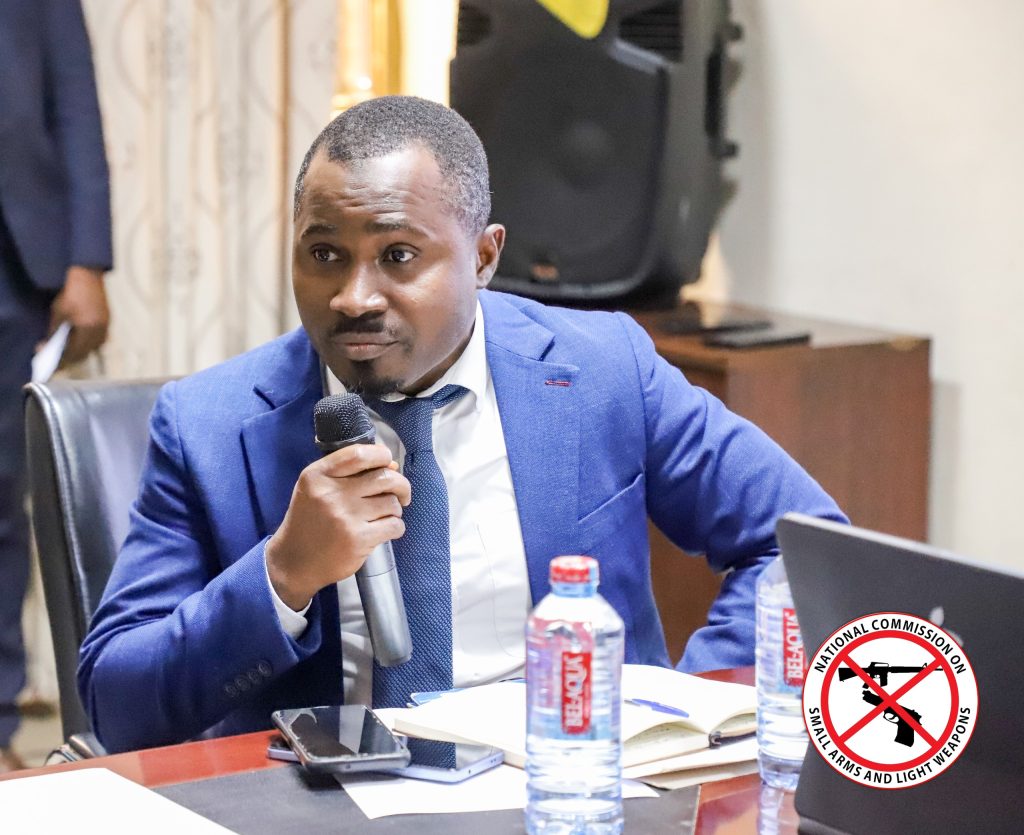
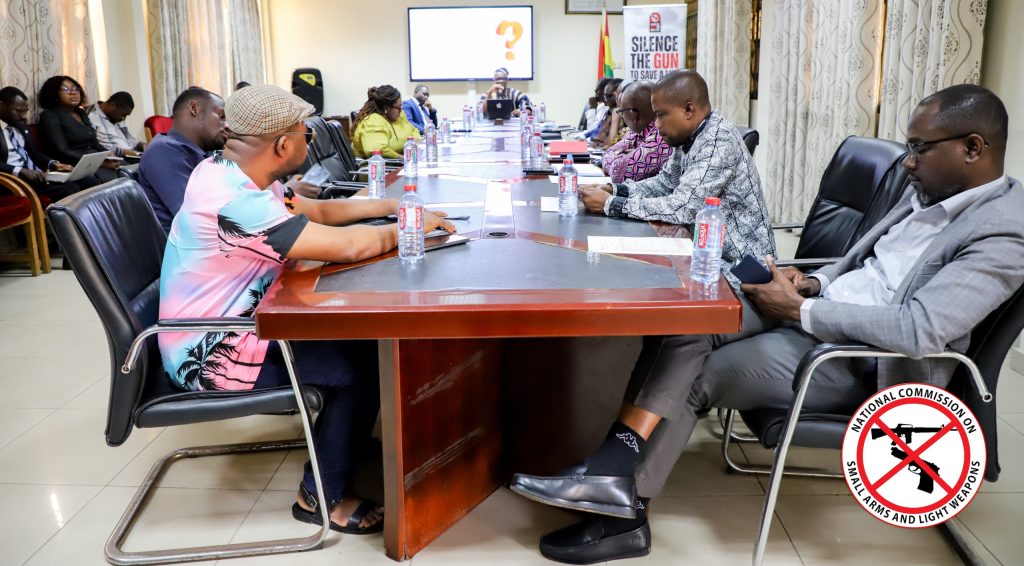
Mr. Salam explained that the Gun Amnesty Programme, declared by the Ministry of the Interior in collaboration with the Ghana Police Service and NACSA on 1st December 2025, offers individuals the opportunity to surrender illicit arms without fear of arrest or prosecution. However, he emphasized that the success of the initiative depends heavily on public trust and widespread sensitization—areas where CSOs are uniquely positioned to make a significant impact.
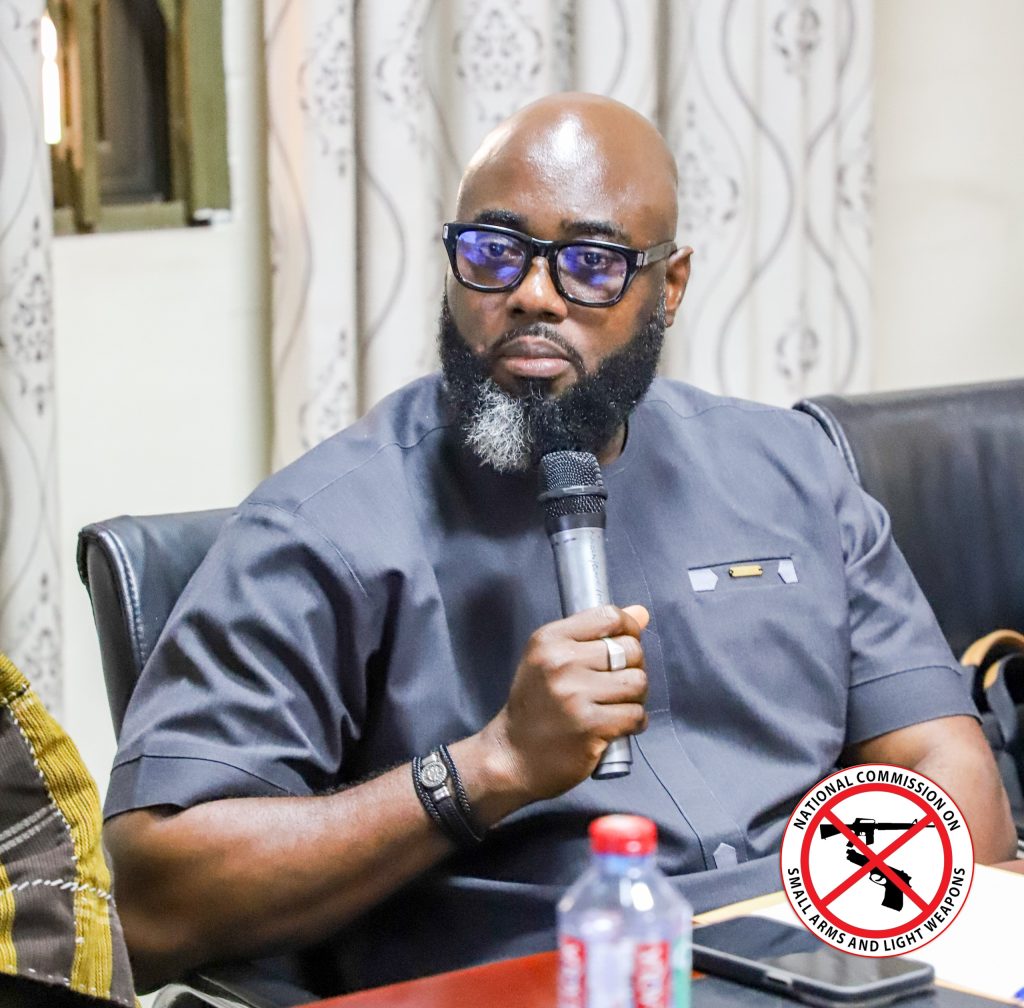
Participants commended NACSA’s leadership for introducing the Gun Amnesty and urged the government to provide robust support to ensure its success, particularly at the community level where illicit firearms are most prevalent. They highlighted the need for sustained engagement, clear messaging, strong logistical backing, and adequate, funding to support effective awareness-raising, monitoring and follow-up activities to ensure meaningful and lasting outcomes.
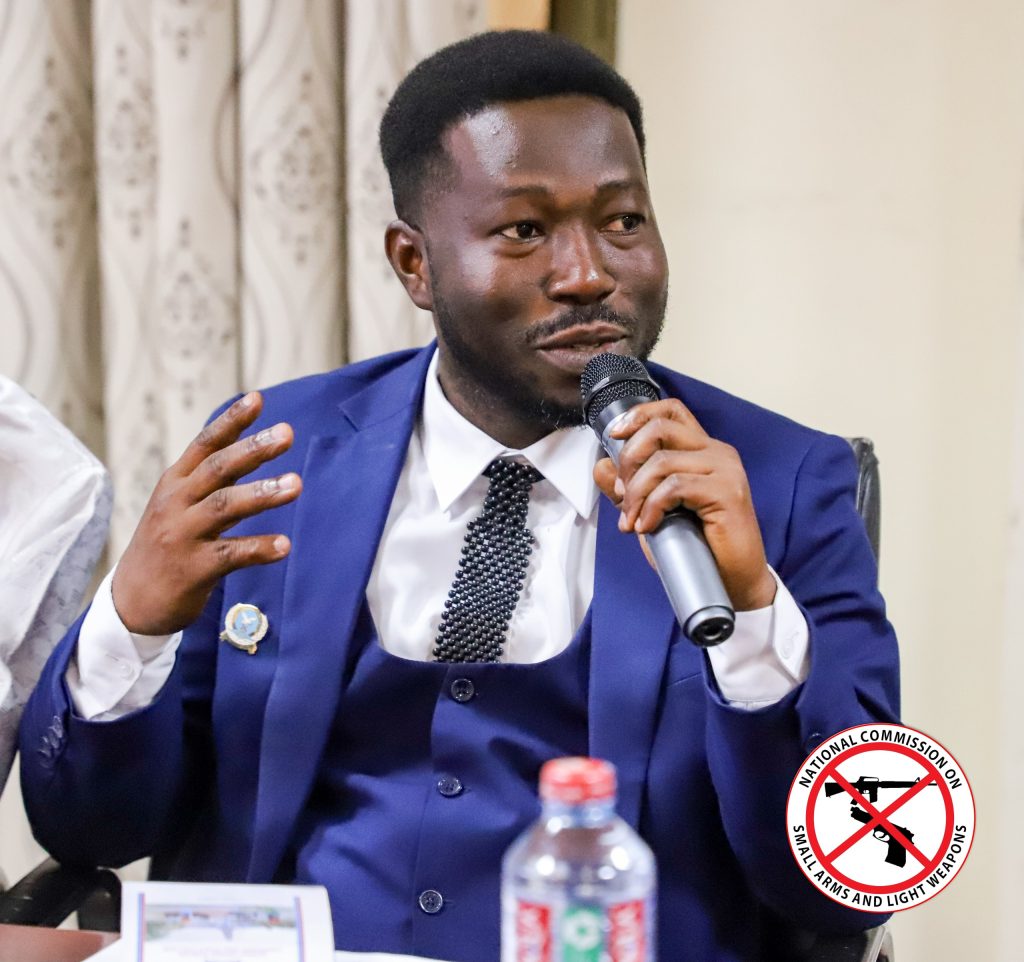
NACSA reaffirmed its commitment to transparency, collaboration, and ongoing engagement with civil society actors. The Commission further described the partnership with CSOs as essential not only for the success of the Gun Amnesty Programme, but also for broader national efforts to prevent the proliferation and misuse of small arms.
As the engagements concluded, NACSA called for collective action, urging CSOs to champion the amnesty initiative across their networks and help make this period a turning point in Ghana’s journey toward a gun-violence-free, safe and peaceful society.